

“`html
Apple Introduces Its First Foldable iPhone
Apple has officially entered the foldable smartphone market with its first foldable iPhone, introducing a new form factor designed to combine the portability of an iPhone with the larger display experience of a tablet.
Apple’s First Foldable iPhone
Add an appropriately licensed editorial or official product image here.
Apple has officially introduced its first foldable iPhone, marking one of the most significant design changes to the iPhone family since the introduction of the original model.
The new device brings Apple’s smartphone platform into a category that has been developing rapidly over the past several years. Instead of using a traditional single-screen design, the phone can open to provide a substantially larger display while remaining compact when folded.
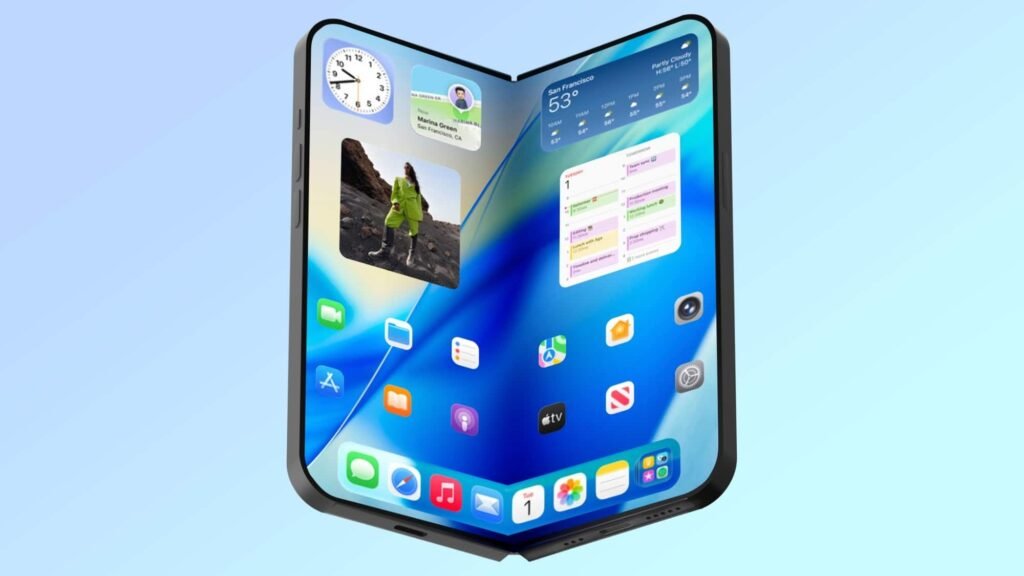
The main idea behind the new design is simple: a smartphone that can become a larger-screen device when users need more space.
A New Form Factor for the iPhone
Foldable smartphones have traditionally been associated with Android manufacturers, but Apple’s entry into the category gives the technology a new level of visibility among mainstream smartphone buyers.
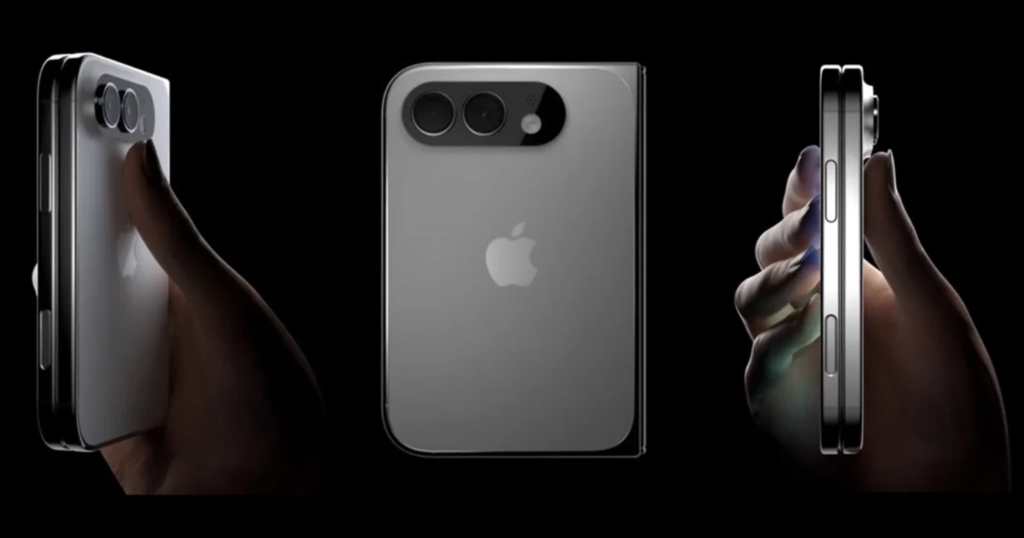
The concept is different from simply making a phone larger. When folded, the device maintains a conventional smartphone footprint. When opened, the internal display provides considerably more screen area for applications, documents, video and multitasking.
This approach could appeal to users who want a larger display without carrying a conventional tablet throughout the day.
Why Apple Is Entering the Foldable Market
Foldable phones have become an increasingly important segment of the premium smartphone market. Samsung, Google, Motorola and several Chinese manufacturers have already introduced multiple generations of foldable devices.
Apple’s approach is to bring its own hardware and software ecosystem to the category rather than simply reproducing the designs already available from competitors.
That means the user experience is just as important as the physical hinge and display.
A foldable phone needs software that can take advantage of the larger screen without making everyday smartphone tasks unnecessarily complicated.
A Larger Screen Without Carrying a Tablet
One of the biggest advantages of a foldable smartphone is the ability to increase usable screen space without requiring users to carry two separate devices.
The larger display can be useful for reading documents, browsing websites, editing photos, watching video and working with applications that benefit from additional space.
Multitasking is another area where foldable designs can offer an advantage. A larger screen can make it easier to view multiple pieces of information at the same time.
Potential everyday uses
Web browsing
Video
Photography
Documents
Multitasking
Gaming
Durability Remains an Important Question
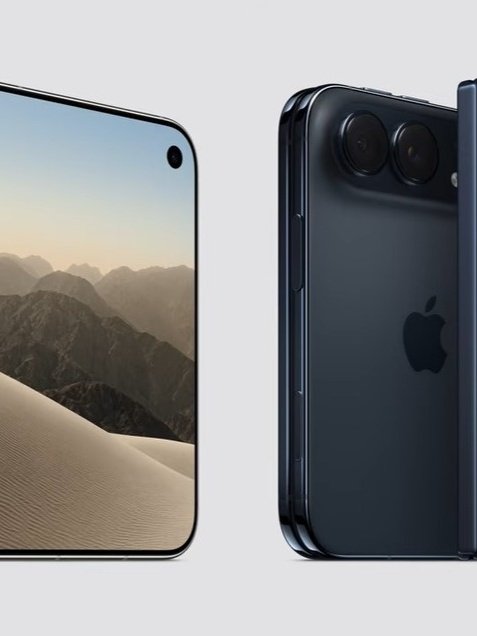
Foldable smartphones have one major engineering challenge that conventional phones do not: the display must bend repeatedly while maintaining image quality and reliability.
The hinge mechanism is also a critical part of the design. Manufacturers have spent years improving hinge systems, reducing device thickness and protecting flexible displays from everyday wear.
Apple’s entry into the category puts additional attention on these engineering challenges. Buyers will naturally be interested in how the device performs after months or years of regular opening and closing.
What buyers will likely pay attention to
Hinge durability, display protection, battery life, device thickness and the long-term reliability of the folding mechanism are among the key considerations when evaluating any foldable smartphone.
Apple Intelligence and the Foldable Experience
Artificial intelligence is also becoming a larger part of Apple’s software strategy. The company has been integrating AI-powered capabilities across its devices, and the foldable form factor provides additional screen space for these features.
A larger display can make AI-assisted workflows easier to interact with, particularly when users are working with documents, images, web content or multiple applications.
This combination of a flexible display and increasingly capable software could become one of the most important aspects of the new product category.
How the Foldable iPhone Fits Into Apple’s Lineup
Apple’s traditional iPhone models continue to target users who prefer a conventional smartphone design. The foldable model is aimed at a different type of customer: people who value additional screen space and are willing to adopt a different form factor.
| Feature | Traditional smartphone | Foldable smartphone |
|---|---|---|
| Screen | Fixed display | Expands when opened |
| Portability | Conventional | Compact when folded |
| Multitasking | Standard smartphone experience | More display area |
Availability and Pricing
Pricing and availability can vary by market, storage configuration and region. Buyers should check Apple’s official store and local retailers for the latest information before making a purchase.
Before buying
Compare storage options, warranty coverage, display protection and local pricing before choosing a foldable smartphone.
What Apple’s First Foldable Means for Smartphones
Apple’s arrival in the foldable smartphone market could accelerate the adoption of the form factor among consumers who have previously preferred traditional phones.
It also gives developers another screen format to consider when designing applications. As foldable devices become more common, software will increasingly need to adapt to different display sizes and orientations.
The broader smartphone industry is therefore likely to continue experimenting with flexible displays, thinner designs and new ways of combining mobile and tablet-style experiences.
Apple’s first foldable iPhone represents a new direction for the iPhone family and adds another option for consumers looking for more screen space in a mobile device.
The Foldable Smartphone Era Is Expanding
Foldable smartphones have moved from an experimental product category toward a more established part of the premium mobile market.
Apple’s entry adds another major player to that market and gives consumers a new reason to consider whether a flexible display makes sense for their daily use.
For users who want a traditional phone when they are on the move and a larger display when they need additional space, the concept offers a compelling alternative to carrying both a smartphone and a tablet.
Sources & Further Reading
- Apple Newsroom — Official product announcements and technical information
- Apple — Official iPhone product information
- Technology publications covering the latest foldable smartphone developments
“`

